Yes, you have come to the right place. I am just not sure what I did? I started messing with the template settings on Blogger and now somehow I changed the whole thing without meaning to. I guess my blog is due for a design change. Watch over the next few days to see if I figure out how to use the Blogger template and formatting tools. LOL. Gotta love computers.
Be gentle.
Showing posts with label This and that. Show all posts
Showing posts with label This and that. Show all posts
Friday, October 5, 2012


Friday, January 27, 2012
Feeding the family
We have a small family fruit orchard. It is one year old, so really not much of an orchard yet. Last evening, William and I planted the latest additions to our orchard. Well, William lasted for about 4 holes dug and disappeared back in the house to go play a video game. Strange how that works with almost 12 year old boys. It was a beautiful evening outside, so it was a perfect time enjoying planting our new fruit trees and newest additions of grapes (wine and table, yummy).
.JPG)
.JPG)
Be gentle.
.JPG) |
| This is the way the trees and grapes arrived at the house |
.JPG)
.JPG)
 |
| Not mine, but hopefully someday mine will look like this |
 |
| Can't wait! |
Be gentle.
Tuesday, January 24, 2012
For your viewing pleasure. Another beautiful sunset in Northern California
From last night. Enjoy.......


Be gentle.


Be gentle.
Sunday, December 11, 2011
Films about differently abled
Here is an interesting article. What are your favorite films?
Top 15 Films About Differently-Abled People (VIDEO)
Having a child with special needs, whether it's autism, ADHD/ADD, cerebral palsy, Down Syndrome, or any of the other myriad of extraordinary variations from the norm, is becoming surprisingly... the new normal. It seems that nearly every family I meet is facing some set of challenges that veer from the average expectations of parents. I am impressed to see so many people employing their flexibility, rolling with the changes, and rising to the occasion with exceptional parenting.
I was talking with my friend whose young son is dealing with serious heart issues, and she told me that she had been raised in an area in New Jersey built on top of a dump. She was sure his heart issues, as well as her cancer early in life, had to do with toxic chemicals floating around in her community. I, too, have been exposed to my fair share of toxic chemicals, growing up on an island that had formerly been a dump for the U.S. Army (napalm, leaking barrels of toxic waste remain on Rumsey Island in Maryland). Most of the population seems to have been touched by new chemicals, new DNA, or circumstances that contribute to the challenges of our children. One of the wonderful qualities possessed by human beings, however, is the ability to adapt and thrive.
Lifting my spirit and opening my eyes for a view not only of my child's challenges, but also her gifts, are the many films that focus on the unusual beauty that can come from having extraordinary people close-by. Here is my list of favorites.
Lifting my spirit and opening my eyes for a view not only of my child's challenges, but also her gifts, are the many films that focus on the unusual beauty that can come from having extraordinary people close-by. Here is my list of favorites.
The Diving Bell and The Butterfly
My Left Foot
The King's Speech
Ray
The Miracle Worker
Shine
What's Eating Gilbert Grape?
Forrest Gump
I Am Sam
RainMan
The Elephant Man
Mask
Jack
See No Evil Hear No Evil
Ice Castles
What are some of your favorite movies?
Be gentle.
Sunday, November 27, 2011
We interrupt this blog.........
Yes, this is the right place........

Did a blog format update. Please let me know what you think?
Be gentle.
Tuesday, November 8, 2011
Sunday, September 11, 2011
Wednesday, September 7, 2011
Flowers to soothe a crazy day
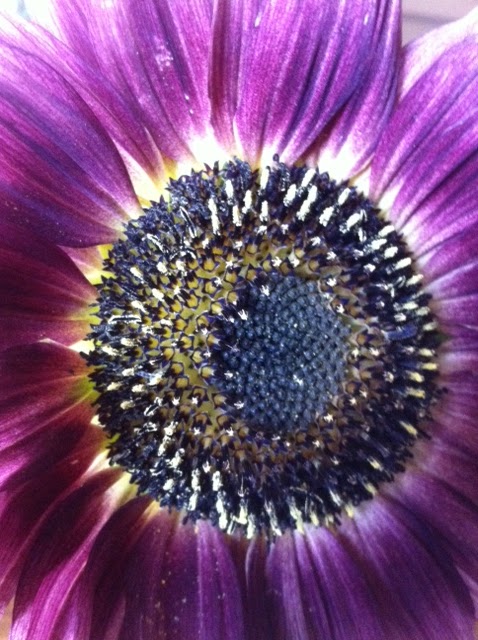
Have you seen anything so lovely lately? Grandma Pat brought these to the house when they stopped by this weekend. Lovingly grown by Uncle Kelly.


 Be gentle.


Saturday, August 27, 2011
One of the things that make me happy. LOL!
Clean carpets!!! I love Costco. David and I found a wonderful carpet cleaner at Costco yesterday and have started putting it to work. With the kids and dogs in the house all the time, our carpet takes a beating. No matter how careful we are, rules about no food on the carpet, vacuuming often, our carpets take a beating. I am SO excited to clean carpets. I can't believe I am saying that. But, I love a clean house.
Be gentle.
 |
| Working, working, working |
 |
| Look at that dirty water. Yucky. |
 |
| My hero! |
 |
| Ahhh. Clean carpet. |
 |
| David did finally let me take a turn with our new toy. Honest. |
Wednesday, August 24, 2011
Smile break
I have been in Vancouver BC for the last couple of days for work. I found this fun. A Coke Zero can in English and French.
 Be gentle.
Saturday, August 13, 2011
Happy International Left Handed Day 2011

Today salutes the Southpaws in the world. Celebrate the lefties in your life!
How many lefties do you have in your family?
William is left handed. My Dad was a lefty. David's Grandma was a lefty.
Left-handers, who account for around 10 percent of the world's population, spend 364 days a year in a world that seems to be built for right-handed people. August 13 is the exception. In 1976, a special day was created just for lefties and now it is celebrated annually all over the world.
A little fun trivia......
Brain organization
No-one has come up with a definitive reason for WHY some people are left-handed, but about 13% of the population around the world are, and it is thought to be genetic - it definitely runs in families. Researchers have recently located a gene they believe "makes it possible to have a left-handed child " so if you have that gene, one or more of your children may be left-handed, whereas without it, you will only have right-handers - sorry! The good news is, that if you are left-handed yourself, you have that gene and will pass it on through the generations!
The way the brain works is incredibly complex, but this simplified explanation will give you some understanding of where our left-hand dominance comes from. The brain is "cross-wired" so that the left hemisphere controls the right handed side of the body and vice-versa and hand dominance is connected with brain dominance on the opposite side - which is why we say that only left-handers are in their right minds!

The left hemisphere (RIGHT HAND CONTROL) controls Speech, Language, Writing, Logic, Mathematics, Science, this is the LINEAR THINKING MODE.
The right hemisphere (LEFT HAND CONTROL) controls Music, Art, Creativity, Perception, Emotions, Genius, this is the HOLISTIC THINKING MODE

LEFT-HANDERS DAY
AUGUST 13TH
WARNING!
LEFTY ZONE
THE USE OF YOUR RIGHT HAND
PROHIBITED IN THIS AREA
By Order of The Left-Handers Club
So if you don't have sinistrophobia (that's a fear of left-handedness or anything on the left side of your body), read on for some fun left-handed facts.
2. In sets of twins, there is a tendency for one of them to be left-handed. Davey is right handed and William is left handed (Twin theory supported?)
3. Neurologists have said that left-handers are able to adjust to seeing underwater better than right-handers. Olympic swimming champion Mark Spitz happens to be a leftie.
4. There have been eight left-handed U.S. Presidents. For the record they are: James A. Garfield, Herbert Hoover, Harry S. Truman, Gerald Ford, Ronald Reagan, George H.W. Bush, Bill Clinton, and Barack Obama.
5. Left-handed? Then you are in some interesting company. Some famous lefties past and present include: Oprah Winfrey, Angelina Jolie, Benjamin Franklin, Julius Caesar, Judy Garland, Jimmi Hendrix, Michelangelo, Marilyn Monroe, Jerry Seinfeld, Oscar de la Hoya and Babe Ruth. A much longer list can be found here.
5 surprising facts about left-handed people
Psychologists have found that lefties and righties reacted to a scary movie in sharply different ways. What else distinguishes the left-handed?
POSTED ON MAY 2, 2011, AT 4:20 PM

President Obama, who's left-handed, signs papers in the Oval Office: Studies suggest that lefties are more restrained decision makers than their right-handed counterparts. Photo: CC BY: The White House
Human beings have been predominantly right-handed for more than 500,000 years,according to new research findings. Yet 10 to 12 percent of people prefer using their left hand — and scientists continue to probe the differences between that group and the right-handed majority, often with surprising results. Here, a look at five ways lefties are different than righties:
1. They're more affected by fear
In one recent experiment, lefties who watched an eight-minute clip from the film Silence of the Lambs exhibited more symptomsof post-traumatic stress disorder than did their right-handed counterparts. That may be because the right side of the brain, which is dominant in lefties, is more involved in the fear response, according to Dr. Carolyn Choudhary of Queen Margaret University in Edinburgh, as quoted in The Telegraph. But more research is needed, Choudhary warns.
2. They're angrier
Left-handed and ambidextrous people are more susceptible to negative emotions, including anger. A small study published last year in the Journal of Nervous and Mental Disease found that the brains of lefties process emotions differently than those of righties, with more communication between the brain's two halves. As a result, the areas that produce negative emotions experience greater activity, according to the Daily Mail. Then again, maybe lefties are just "more angry because the world is designed for the right-handed majority," says John Cloud in TIME.
3. They're more inhibited
That emotional wiring also may explain why righties tend to charge ahead, while lefties "tend to dither," according to behavioral psychologist Lynn Wright, as quoted in NewScientist. A study performed by Wright at Abertay University in Scotland found that lefties were more restrained andmore worried about making mistakes.
4. They associate "left" with good
Most people tend to have positive associations with the concept of "right" and bad associations with "left." Lefties are the opposite. In a recent study, Stanford researcher Daniel CasasantoCasasanto says, as quoted by the Stanford Report, despite so many signals from language and culture "telling them the exact opposite."
1. They're more affected by fear
In one recent experiment, lefties who watched an eight-minute clip from the film Silence of the Lambs exhibited more symptomsof post-traumatic stress disorder than did their right-handed counterparts. That may be because the right side of the brain, which is dominant in lefties, is more involved in the fear response, according to Dr. Carolyn Choudhary of Queen Margaret University in Edinburgh, as quoted in The Telegraph. But more research is needed, Choudhary warns.
2. They're angrier
Left-handed and ambidextrous people are more susceptible to negative emotions, including anger. A small study published last year in the Journal of Nervous and Mental Disease found that the brains of lefties process emotions differently than those of righties, with more communication between the brain's two halves. As a result, the areas that produce negative emotions experience greater activity, according to the Daily Mail. Then again, maybe lefties are just "more angry because the world is designed for the right-handed majority," says John Cloud in TIME.
3. They're more inhibited
That emotional wiring also may explain why righties tend to charge ahead, while lefties "tend to dither," according to behavioral psychologist Lynn Wright, as quoted in NewScientist. A study performed by Wright at Abertay University in Scotland found that lefties were more restrained andmore worried about making mistakes.
4. They associate "left" with good
Most people tend to have positive associations with the concept of "right" and bad associations with "left." Lefties are the opposite. In a recent study, Stanford researcher Daniel CasasantoCasasanto says, as quoted by the Stanford Report, despite so many signals from language and culture "telling them the exact opposite."
5. They may have an advantage in politics
Casasanto's conclusions could actually favor left-handed politicians, at least in televised events like debates, says Jocelyn Rousey in Mediaite. Casasanto found that politicians tend to accompany statements they see as positive by gesturing with their dominant hands. When a rightie uses his dominant hand to give a thumbs-up, television viewers — who see the image flipped — see him gesture on the left side of their screen. The left-handed, meanwhile, "appear to be putting things in a much more positive light for the 90 percent of viewers who are right-handed."
Casasanto's conclusions could actually favor left-handed politicians, at least in televised events like debates, says Jocelyn Rousey in Mediaite. Casasanto found that politicians tend to accompany statements they see as positive by gesturing with their dominant hands. When a rightie uses his dominant hand to give a thumbs-up, television viewers — who see the image flipped — see him gesture on the left side of their screen. The left-handed, meanwhile, "appear to be putting things in a much more positive light for the 90 percent of viewers who are right-handed."

Thursday, July 21, 2011

Tuesday, July 12, 2011
Summertime! Sunburn? Protect yourself and your kids.
I love summer and spending time outside with my family. But I worry about too much sun for everyone. Sunburn is painful but worse than that, sunburn can lead to skin cancer. Hats, sunglasses and most important SUNSCREEN should be a requirement for all outside activities. I try to remember. Hopefully you do too. Here is some good info on sun safety and sunscreen from the Environmental Work Group web site.

No sunburn for this funny face please.
1. Quick tips for a good sunscreen.
Ingredients matter – learn if your brand leaves you overexposed to damaging UVA rays, if it breaks down in the sun, or if it contains potential hormone-disrupting compounds.  Avoid these
 Look for these IngredientsOxybenzone
Vitamin A (retinyl palmitate)
Added insect repellentZinc
Titanium dioxide
Avobenzone or Mexoryl SX ProductsSprays
Powders
SPF above 50+Cream
Broad-spectrum protection
Water-resistant for beach, pool & exercise
SPF 30+ for beach & pool 2. But first things first – do these before applying sunscreen.
The best defenses against getting too much harmful UV radiation are protective clothes, shade and timing. Check out the checklist:Don’t get burned. Red, sore, blistered (then peeling) skin is a clear sign you’ve gotten far too much sun. Sunburn increases skin cancer risk – keep your guard up!Wear clothes. Shirts, hats, shorts and pants shield your skin from the sun’s UV rays – and don’t coat your skin with goop. A long-sleeved surf shirt is a good start.Find shade – or make it. Picnic under a tree, read beneath an umbrella, take a canopy to the beach. Keep infants in the shade – they lack tanning pigments (melanin) to protect their skin.Plan around the sun. If your schedule is flexible, go outdoors in early morning or late afternoon when the sun is lower in the sky. UV radiation peaks at midday, when the sun is directly overhead.Sunglasses are essential. Not just a fashion accessory, sunglasses protect your eyes from UV radiation, a cause of cataracts.3. Now put on sunscreen – here are the essentials, beyond the quick tips.
Some sunscreens prevent sunburn but not other types of skin damage. Make sure yours provides broad-spectrum protection and follow our other tips for better protection.Don’t be fooled by a label that boasts of high SPF. Anything higher than “SPF 50+” can tempt you to stay in the sun too long, suppressing sunburn but not other kinds of skin damage. FDA says these numbers are misleading. Stick to SPF 15-50+, reapply often and pick a product based on your own skin, time planned outside, shade and cloud cover.News about Vitamin A. Eating vitamin A-laden vegetables is good for you, but spreading vitamin A on the skin may not be. New government data show that tumors and lesions develop sooner on skin coated with vitamin A-laced creams. Vitamin A, listed as “retinyl palmitate” on the ingredient label, is in 33 percent of sunscreens. Avoid them.Ingredients matter. Avoid the sunscreen chemical oxybenzone, a synthetic estrogen that penetrates the skin and contaminates the body. Look for active ingredients zinc, titanium, avobenzone or Mexoryl SX. These substances protect skin from harmful UVA radiation and remain on the skin, with little if any penetrating into the body. Also, skip sunscreens with insect repellent – if you need bug spray, buy it separately and apply it first.Pick a good sunscreen. EWG’s sunscreen database rates the safety and efficacy of about 1,700 products with SPF, including about 600 sunscreens for beach and sports. We give high ratings to brands that provide broad-spectrum, long-lasting protection with ingredients that pose fewer health concerns when the body absorbs them.Cream, spray or powder – and how often? Sprays and powders cloud the air with tiny particles of sunscreen that may not be safe to breathe. Choose creams instead. Reapply them often, because sunscreen chemicals break apart in the sun, wash off and rub off on towels and clothing.Message for men: Wear sunscreen. Surveys show that 34 percent of men wear sunscreen, compared to 78 percent of women. Start using it now to reduce your cumulative lifetime exposure to damaging UV radiation.Got your Vitamin D? Many people don’t get enough vitamin D, which skin manufactures in the presence of sunlight. Your doctor can test your level and recommend supplements or a few minutes of sun daily on your bare skin (without sunscreen).4. Sun Safety Tips For Kids
Kids are more vulnerable to sun damage. A few blistering sunburns in childhood can double a person’s lifetime chances of developing serious forms of skin cancer. The best sunscreen is a hat and shirt. After that, protect kids with a sunscreen that’s effective and safe. Take these special precautions with infants and children:Infants
Infants under 6 months should be kept out of direct sun as much as possible. Their skin is not yet protected by melanin. So when you take your baby outside:- Cover up – Wear protective clothing, tightly woven but loose-fitting, and a sun hat.
- Make shade – Use the stroller’s canopy or hood. If you can’t sit in a shady spot, put up an umbrella.
- Avoid midday sun – Take walks in the early morning or late afternoon.
- Follow product warnings for sunscreen on infants under 6 months old – Most manufacturers advise against using sunscreens on infants or urge parents and caregivers to consult a doctor first. The American Academy of Pediatrics says that small amounts of sunscreen can be used on infants as a last resort when shade can’t be found.
Toddlers and Children
- Test the sunscreen by applying a small amount on the inside of your child’s wrist the day before you plan to use it. If an irritation or rash develops, try another product. Ask your child’s doctor to suggest a product less likely to irritate a child’s skin.
- Slop on sunscreen and reapply often, especially if your child is playing in the water or sweating a lot.
- Choose your own sunscreen for daycare and school. Some childcare facilities provide sunscreen for the kids, but you can bring your own if you prefer a safer, more effective brand. Share EWG’s safe sunscreen tips and product suggestions with your child’s caregiver.
Sun Safety at School
Sometimes school and daycare policies interfere with children’s sun safety. Many schools treat sunscreen as a medicine and require the child have written permission to use it. Some insist that the school nurse apply it. Other schools ban hats and sunglasses on campus. Here are a few questions to ask your school:- What is the policy on sun safety?
- Is there shade on the playground?
- Are outdoor activities scheduled to avoid midday sun?
Teens
Teenagers coveting bronzed skin are likely to sunbathe, patronize tanning salons or buy self-tanning products. Not good ideas. Researchers believe increasing UV exposure may have caused the marked increase in melanoma incidence among women born after 1965. Tanning parlors expose the skin to as much as 15 times the UV radiation of the sun and likely contributed to melanoma increases. Many chemicals in self-tanning products have not been tested for safety; the major self-tanning chemical, dihydroxyacetone, is not approved by FDA for use in cosmetics around the eyes.Tan does not mean healthy. Here are a few more tips for teens:- Make sunscreen a habit for every outdoor sport and activity.
- Find sun-protective clothing, hats, and sunglasses that you like to wear.
- To parents of teens: Be good role models – let your teen see you protecting yourself from the sun.
Be gentle.
I love summer and spending time outside with my family. But I worry about too much sun for everyone. Sunburn is painful but worse than that, sunburn can lead to skin cancer. Hats, sunglasses and most important SUNSCREEN should be a requirement for all outside activities. I try to remember. Hopefully you do too. Here is some good info on sun safety and sunscreen from the Environmental Work Group web site.
 |
| No sunburn for this funny face please. |
1. Quick tips for a good sunscreen.
Ingredients matter – learn if your brand leaves you overexposed to damaging UVA rays, if it breaks down in the sun, or if it contains potential hormone-disrupting compounds. Avoid theseLook for these IngredientsOxybenzone
Vitamin A (retinyl palmitate)
Added insect repellentZinc
Titanium dioxide
Avobenzone or Mexoryl SX ProductsSprays
Powders
SPF above 50+Cream
Broad-spectrum protection
Water-resistant for beach, pool & exercise
SPF 30+ for beach & pool 2. But first things first – do these before applying sunscreen.
The best defenses against getting too much harmful UV radiation are protective clothes, shade and timing. Check out the checklist:Don’t get burned. Red, sore, blistered (then peeling) skin is a clear sign you’ve gotten far too much sun. Sunburn increases skin cancer risk – keep your guard up!Wear clothes. Shirts, hats, shorts and pants shield your skin from the sun’s UV rays – and don’t coat your skin with goop. A long-sleeved surf shirt is a good start.Find shade – or make it. Picnic under a tree, read beneath an umbrella, take a canopy to the beach. Keep infants in the shade – they lack tanning pigments (melanin) to protect their skin.Plan around the sun. If your schedule is flexible, go outdoors in early morning or late afternoon when the sun is lower in the sky. UV radiation peaks at midday, when the sun is directly overhead.Sunglasses are essential. Not just a fashion accessory, sunglasses protect your eyes from UV radiation, a cause of cataracts.3. Now put on sunscreen – here are the essentials, beyond the quick tips.
Some sunscreens prevent sunburn but not other types of skin damage. Make sure yours provides broad-spectrum protection and follow our other tips for better protection.Don’t be fooled by a label that boasts of high SPF. Anything higher than “SPF 50+” can tempt you to stay in the sun too long, suppressing sunburn but not other kinds of skin damage. FDA says these numbers are misleading. Stick to SPF 15-50+, reapply often and pick a product based on your own skin, time planned outside, shade and cloud cover.News about Vitamin A. Eating vitamin A-laden vegetables is good for you, but spreading vitamin A on the skin may not be. New government data show that tumors and lesions develop sooner on skin coated with vitamin A-laced creams. Vitamin A, listed as “retinyl palmitate” on the ingredient label, is in 33 percent of sunscreens. Avoid them.Ingredients matter. Avoid the sunscreen chemical oxybenzone, a synthetic estrogen that penetrates the skin and contaminates the body. Look for active ingredients zinc, titanium, avobenzone or Mexoryl SX. These substances protect skin from harmful UVA radiation and remain on the skin, with little if any penetrating into the body. Also, skip sunscreens with insect repellent – if you need bug spray, buy it separately and apply it first.Pick a good sunscreen. EWG’s sunscreen database rates the safety and efficacy of about 1,700 products with SPF, including about 600 sunscreens for beach and sports. We give high ratings to brands that provide broad-spectrum, long-lasting protection with ingredients that pose fewer health concerns when the body absorbs them.Cream, spray or powder – and how often? Sprays and powders cloud the air with tiny particles of sunscreen that may not be safe to breathe. Choose creams instead. Reapply them often, because sunscreen chemicals break apart in the sun, wash off and rub off on towels and clothing.Message for men: Wear sunscreen. Surveys show that 34 percent of men wear sunscreen, compared to 78 percent of women. Start using it now to reduce your cumulative lifetime exposure to damaging UV radiation.Got your Vitamin D? Many people don’t get enough vitamin D, which skin manufactures in the presence of sunlight. Your doctor can test your level and recommend supplements or a few minutes of sun daily on your bare skin (without sunscreen).4. Sun Safety Tips For Kids
Kids are more vulnerable to sun damage. A few blistering sunburns in childhood can double a person’s lifetime chances of developing serious forms of skin cancer. The best sunscreen is a hat and shirt. After that, protect kids with a sunscreen that’s effective and safe. Take these special precautions with infants and children:Infants
Infants under 6 months should be kept out of direct sun as much as possible. Their skin is not yet protected by melanin. So when you take your baby outside:- Cover up – Wear protective clothing, tightly woven but loose-fitting, and a sun hat.
- Make shade – Use the stroller’s canopy or hood. If you can’t sit in a shady spot, put up an umbrella.
- Avoid midday sun – Take walks in the early morning or late afternoon.
- Follow product warnings for sunscreen on infants under 6 months old – Most manufacturers advise against using sunscreens on infants or urge parents and caregivers to consult a doctor first. The American Academy of Pediatrics says that small amounts of sunscreen can be used on infants as a last resort when shade can’t be found.
Toddlers and Children
- Test the sunscreen by applying a small amount on the inside of your child’s wrist the day before you plan to use it. If an irritation or rash develops, try another product. Ask your child’s doctor to suggest a product less likely to irritate a child’s skin.
- Slop on sunscreen and reapply often, especially if your child is playing in the water or sweating a lot.
- Choose your own sunscreen for daycare and school. Some childcare facilities provide sunscreen for the kids, but you can bring your own if you prefer a safer, more effective brand. Share EWG’s safe sunscreen tips and product suggestions with your child’s caregiver.
Sun Safety at School
Sometimes school and daycare policies interfere with children’s sun safety. Many schools treat sunscreen as a medicine and require the child have written permission to use it. Some insist that the school nurse apply it. Other schools ban hats and sunglasses on campus. Here are a few questions to ask your school:- What is the policy on sun safety?
- Is there shade on the playground?
- Are outdoor activities scheduled to avoid midday sun?
Teens
Teenagers coveting bronzed skin are likely to sunbathe, patronize tanning salons or buy self-tanning products. Not good ideas. Researchers believe increasing UV exposure may have caused the marked increase in melanoma incidence among women born after 1965. Tanning parlors expose the skin to as much as 15 times the UV radiation of the sun and likely contributed to melanoma increases. Many chemicals in self-tanning products have not been tested for safety; the major self-tanning chemical, dihydroxyacetone, is not approved by FDA for use in cosmetics around the eyes.Tan does not mean healthy. Here are a few more tips for teens:- Make sunscreen a habit for every outdoor sport and activity.
- Find sun-protective clothing, hats, and sunglasses that you like to wear.
- To parents of teens: Be good role models – let your teen see you protecting yourself from the sun.
Be gentle.
1. Quick tips for a good sunscreen.
Ingredients matter – learn if your brand leaves you overexposed to damaging UVA rays, if it breaks down in the sun, or if it contains potential hormone-disrupting compounds.
Avoid theseLook for theseIngredients
Oxybenzone
Vitamin A (retinyl palmitate)
Added insect repellent
Vitamin A (retinyl palmitate)
Added insect repellent
Zinc
Titanium dioxide
Avobenzone or Mexoryl SX
Titanium dioxide
Avobenzone or Mexoryl SX
Products
Sprays
Powders
SPF above 50+
Powders
SPF above 50+
Cream
Broad-spectrum protection
Water-resistant for beach, pool & exercise
SPF 30+ for beach & pool
Broad-spectrum protection
Water-resistant for beach, pool & exercise
SPF 30+ for beach & pool
2. But first things first – do these before applying sunscreen.
The best defenses against getting too much harmful UV radiation are protective clothes, shade and timing. Check out the checklist:
Don’t get burned. Red, sore, blistered (then peeling) skin is a clear sign you’ve gotten far too much sun. Sunburn increases skin cancer risk – keep your guard up!
Wear clothes. Shirts, hats, shorts and pants shield your skin from the sun’s UV rays – and don’t coat your skin with goop. A long-sleeved surf shirt is a good start.
Find shade – or make it. Picnic under a tree, read beneath an umbrella, take a canopy to the beach. Keep infants in the shade – they lack tanning pigments (melanin) to protect their skin.
Plan around the sun. If your schedule is flexible, go outdoors in early morning or late afternoon when the sun is lower in the sky. UV radiation peaks at midday, when the sun is directly overhead.
Sunglasses are essential. Not just a fashion accessory, sunglasses protect your eyes from UV radiation, a cause of cataracts.
3. Now put on sunscreen – here are the essentials, beyond the quick tips.
Some sunscreens prevent sunburn but not other types of skin damage. Make sure yours provides broad-spectrum protection and follow our other tips for better protection.
Don’t be fooled by a label that boasts of high SPF. Anything higher than “SPF 50+” can tempt you to stay in the sun too long, suppressing sunburn but not other kinds of skin damage. FDA says these numbers are misleading. Stick to SPF 15-50+, reapply often and pick a product based on your own skin, time planned outside, shade and cloud cover.
News about Vitamin A. Eating vitamin A-laden vegetables is good for you, but spreading vitamin A on the skin may not be. New government data show that tumors and lesions develop sooner on skin coated with vitamin A-laced creams. Vitamin A, listed as “retinyl palmitate” on the ingredient label, is in 33 percent of sunscreens. Avoid them.
Ingredients matter. Avoid the sunscreen chemical oxybenzone, a synthetic estrogen that penetrates the skin and contaminates the body. Look for active ingredients zinc, titanium, avobenzone or Mexoryl SX. These substances protect skin from harmful UVA radiation and remain on the skin, with little if any penetrating into the body. Also, skip sunscreens with insect repellent – if you need bug spray, buy it separately and apply it first.
Pick a good sunscreen. EWG’s sunscreen database rates the safety and efficacy of about 1,700 products with SPF, including about 600 sunscreens for beach and sports. We give high ratings to brands that provide broad-spectrum, long-lasting protection with ingredients that pose fewer health concerns when the body absorbs them.
Cream, spray or powder – and how often? Sprays and powders cloud the air with tiny particles of sunscreen that may not be safe to breathe. Choose creams instead. Reapply them often, because sunscreen chemicals break apart in the sun, wash off and rub off on towels and clothing.
Message for men: Wear sunscreen. Surveys show that 34 percent of men wear sunscreen, compared to 78 percent of women. Start using it now to reduce your cumulative lifetime exposure to damaging UV radiation.
Got your Vitamin D? Many people don’t get enough vitamin D, which skin manufactures in the presence of sunlight. Your doctor can test your level and recommend supplements or a few minutes of sun daily on your bare skin (without sunscreen).
4. Sun Safety Tips For Kids
Kids are more vulnerable to sun damage. A few blistering sunburns in childhood can double a person’s lifetime chances of developing serious forms of skin cancer. The best sunscreen is a hat and shirt. After that, protect kids with a sunscreen that’s effective and safe. Take these special precautions with infants and children:
Infants
Infants under 6 months should be kept out of direct sun as much as possible. Their skin is not yet protected by melanin. So when you take your baby outside:
- Cover up – Wear protective clothing, tightly woven but loose-fitting, and a sun hat.
- Make shade – Use the stroller’s canopy or hood. If you can’t sit in a shady spot, put up an umbrella.
- Avoid midday sun – Take walks in the early morning or late afternoon.
- Follow product warnings for sunscreen on infants under 6 months old – Most manufacturers advise against using sunscreens on infants or urge parents and caregivers to consult a doctor first. The American Academy of Pediatrics says that small amounts of sunscreen can be used on infants as a last resort when shade can’t be found.
Toddlers and Children
- Test the sunscreen by applying a small amount on the inside of your child’s wrist the day before you plan to use it. If an irritation or rash develops, try another product. Ask your child’s doctor to suggest a product less likely to irritate a child’s skin.
- Slop on sunscreen and reapply often, especially if your child is playing in the water or sweating a lot.
- Choose your own sunscreen for daycare and school. Some childcare facilities provide sunscreen for the kids, but you can bring your own if you prefer a safer, more effective brand. Share EWG’s safe sunscreen tips and product suggestions with your child’s caregiver.
Sun Safety at School
Sometimes school and daycare policies interfere with children’s sun safety. Many schools treat sunscreen as a medicine and require the child have written permission to use it. Some insist that the school nurse apply it. Other schools ban hats and sunglasses on campus. Here are a few questions to ask your school:
- What is the policy on sun safety?
- Is there shade on the playground?
- Are outdoor activities scheduled to avoid midday sun?
Teens
Teenagers coveting bronzed skin are likely to sunbathe, patronize tanning salons or buy self-tanning products. Not good ideas. Researchers believe increasing UV exposure may have caused the marked increase in melanoma incidence among women born after 1965. Tanning parlors expose the skin to as much as 15 times the UV radiation of the sun and likely contributed to melanoma increases. Many chemicals in self-tanning products have not been tested for safety; the major self-tanning chemical, dihydroxyacetone, is not approved by FDA for use in cosmetics around the eyes.
Tan does not mean healthy. Here are a few more tips for teens:
- Make sunscreen a habit for every outdoor sport and activity.
- Find sun-protective clothing, hats, and sunglasses that you like to wear.
- To parents of teens: Be good role models – let your teen see you protecting yourself from the sun.
Be gentle.
Subscribe to:
Posts (Atom)